

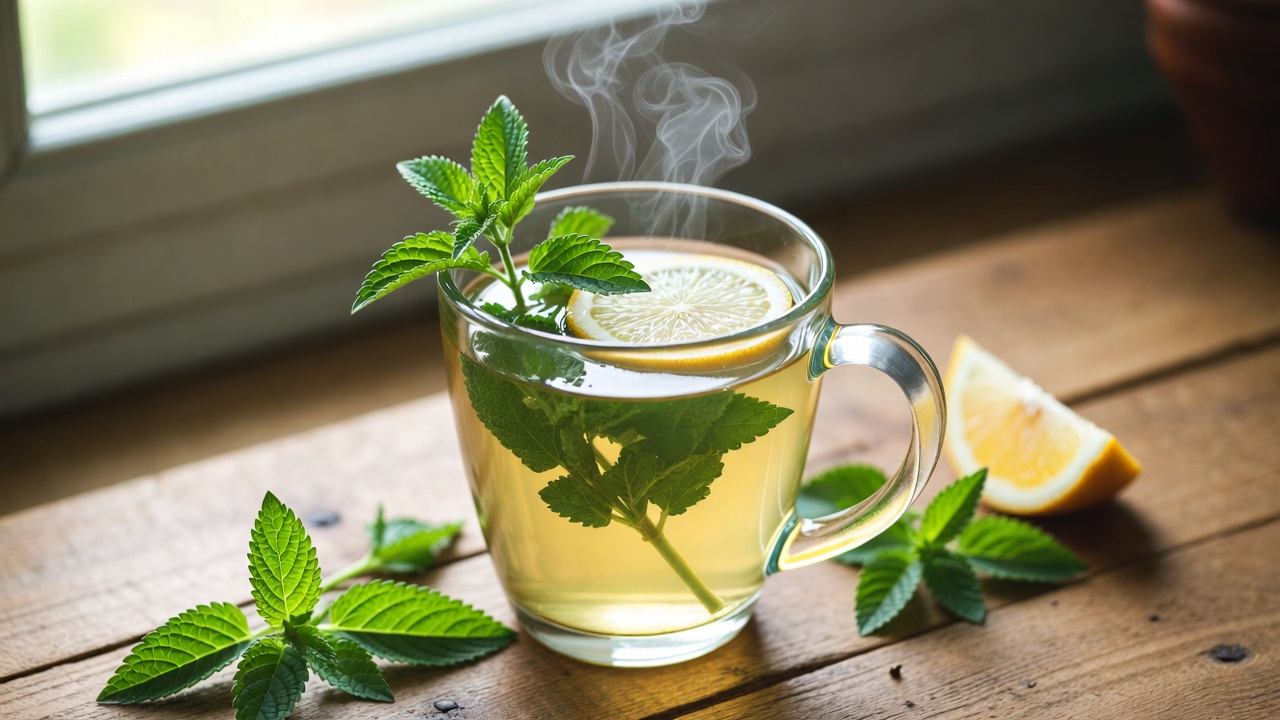
If you've ever brushed against a lemon balm plant and caught that soft, lemony scent in the air, you already understand why so many home gardeners turn straight to leaves for tea. This lemon balm tea recipe walks you through the whole process, from picking fresh leaves off the stem to steeping a cup that tastes calm and citrusy at the same time. Whether you are growing lemon balm in a pot on the porch or you picked up a bag of dried leaves at the store, you will find both methods here, along with the steeping times, ratios, and small details that make the difference between a flat cup and a genuinely good one.
Most people search out a lemon balm tea recipe because they have heard about its calming reputation, maybe as a way to wind down before bed or settle an upset stomach after dinner. That reputation is well earned, and we will touch on why below, but the heart of this page is the practical part: how to actually make the tea, step by step, with fresh or dried lemon balm leaves.
What Is Lemon Balm Tea?
Lemon balm (Melissa officinalis) is a perennial herb in the mint family, Lamiaceae, and it is a close cousin of mint, basil, and oregano even though it does not taste like any of them. Its heart shaped, slightly scalloped leaves release a light lemon and mint aroma when crushed, which is exactly what happens when you steep them in hot water. The plant is hardy in growing zones 3 through 7, spreads easily in a garden bed or container, and has been used in herbal traditions for centuries, long before "wellness tea" was a phrase anyone used.
Lemon balm tea itself is simply an herbal infusion made by steeping fresh lemon balm or dried lemon balm leaves in hot water. It has no caffeine, a mild citrusy flavor, and a pale yellow green color once brewed. Unlike black or green tea, it does not come from the Camellia sinensis plant, so you can drink this herbal drink any time of day without worrying about a caffeine hit.
Why People Reach for This Herbal Tea
Lemon balm has a long history as a calming herb, and the tea is most often brewed for its soothing effect on the nervous system. People use it to unwind in the evening, ease everyday stress, and support a more restful night's sleep. It is also a traditional remedy for mild indigestion, bloating, and occasional stomach discomfort after a meal, and some people reach for it during that time of the month for cramping and mood swings.
None of this is medical advice, and we go deeper into the specific research behind these benefits in a separate guide. For this page, what matters is that the calming, mildly digestive reputation is a big part of what people are hoping to feel when they brew a cup for the first time.
What You Need to Make Lemon Balm Tea
The ingredient list for a homemade lemon balm tea is short, and that is part of the appeal.
For fresh lemon balm tea:
- 15 to 20 fresh lemon balm leaves per 4 cups (1 quart) of water
- Filtered or purified water
- Honey, sugar, or a slice of lemon, optional
For tea made with dried lemon balm leaves:
- 1 to 2 teaspoons of dried lemon balm leaves per cup of water (or about 2 tablespoons per quart)
- Filtered or purified water
- Honey or lemon, optional
Fresh leaves are delicate, so plan to use them within a day or two of picking, or refrigerate them in a sealed bag if you need a little extra time. Dried lemon balm leaves, on the other hand, keep well in an airtight jar for months, so they are worth having on hand even if you grow your own plant.
How to Make Lemon Balm Tea with Fresh Leaves
This is the classic method, and it works whether you have a handful of leaves from a backyard plant or a bundle from the farmers market.
- Rinse the leaves. Give your fresh lemon balm leaves a quick rinse under cool water and pat them dry.
- Bring water to a full boil. Herbal teas like this one release their flavor best at a full boil, around 200 to 212°F, unlike delicate green teas that prefer cooler water.
- Bruise the leaves slightly. Give the leaves a light crush between your fingers or a gentle muddle in the bottom of your teapot or mug. This helps release the essential oils that carry most of the lemony aroma.
- Pour the hot water over the leaves. Use roughly 15 to 20 fresh leaves for every 4 cups of water, and stir once to help the leaves release their flavor evenly.
- Cover and steep for 5 to 10 minutes. Covering the cup or teapot while it steeps traps the volatile oils instead of letting them evaporate away. The longer you steep, the stronger and more lemony the tea will taste.
- Strain and serve. Pour or strain into a cup, sweeten if you like, and add a slice of lemon or a fresh leaf as garnish.
This method is the base for most fresh lemon balm tea, and once you have the ratio down, you can adjust the leaf amount up or down depending on how strong you like it.
How to Make Lemon Balm Tea from Dried Leaves
Making lemon balm tea from dried leaves follows the same idea, just with a smaller, more concentrated amount of herb per cup.
- Measure your dried lemon balm leaves. Use 1 to 2 teaspoons per cup of water, or about 2 tablespoons for a full quart.
- Boil your water. Bring it to a full boil, the same as you would for fresh leaves.
- Steep in a mug, teapot, or tea infuser. Pour the hot water over the dried leaves, cover, and let it steep for 5 to 10 minutes, or a few minutes longer for a bolder cup.
- Strain and enjoy. Dried leaves tend to produce a slightly deeper, more concentrated flavor than fresh, so start on the lower end of the measurement and adjust to taste.
If you grow lemon balm yourself, drying your own harvest is worth doing. Rinse and pat the leaves dry, then spread them in a single layer and air dry, oven dry on low heat, or use a dehydrator until they are crisp and crumble easily. Store the dried leaves whole in an airtight jar in a cool, dark cupboard, and crush them just before brewing to preserve the flavor.
How Long Should You Steep Lemon Balm Tea?
Five to ten minutes is the standard steeping window for most homemade batches, and it is a good starting point if you are new to this herb. If you prefer a stronger, more pronounced lemon flavor and a deeper color, you can let it steep closer to 15 or 20 minutes. Some home gardeners even set a covered jar of tea outside for a slow sun infusion over several hours for an especially potent, lemony brew. There is no single correct steep time here; it comes down to personal taste, so feel free to experiment with a shorter or longer soak until you land on the strength you like best.
Tips for the Best Cup
- Use a full rolling boil. Herbal and black teas need hotter water than green or white tea to fully extract their flavor.
- Cover while steeping. A lid or saucer over your mug keeps the aromatic oils from escaping with the steam.
- Do not skip the bruising step. Lightly crushing fresh leaves before steeping makes a noticeably more flavorful cup.
- Sweeten while the tea is still warm. Honey and sugar dissolve much more easily into hot tea than cold.
- Adjust the ratio to your taste. Lemon balm is forgiving, so do not be afraid to use a few more or fewer leaves next time.
Tasty Variations to Try
Once you have the basic recipe down, it is easy to build on it:
- Lemon balm mint tea: add a few fresh mint leaves to the pot for a cooler, more refreshing flavor.
- Iced lemon balm tea: brew a stronger batch, let it cool, then pour over ice with a squeeze of fresh lemon.
- Honey lemon version: stir in honey and a splash of fresh lemon juice for a soothing, slightly tart cup.
- Chamomile lemon balm blend: combine equal parts dried lemon balm and chamomile flowers for an extra calming bedtime tea.
Storing Fresh and Dried Lemon Balm
Fresh lemon balm leaves are delicate and best used within a day or two of harvesting. If you need to hold onto them a little longer, wrap them loosely and keep them in the refrigerator. Dried lemon balm leaves are far more shelf stable. Kept whole in an airtight jar, away from light and heat, they will hold their flavor for up to a year. We cover drying methods and long term herb storage in more detail in a dedicated guide, but the short version is: keep dried leaves whole, crush them right before brewing, and store the jar somewhere cool and dark.
Safety Notes: Who Should Be Cautious
Lemon balm has a long history of safe culinary use, and an occasional cup of tea is considered low risk for most healthy adults. That said, there are a few groups who should be more careful or check with a doctor first:
- Thyroid conditions: Lemon balm may affect thyroid hormone levels and could interfere with thyroid medication, so people with hypothyroidism, hyperthyroidism, or anyone on thyroid hormone replacement therapy should speak with a healthcare provider before drinking it regularly.
- Pregnancy and breastfeeding: There is not enough research confirming lemon balm's safety during pregnancy or while nursing, so it is generally best to avoid it during these times unless a doctor advises otherwise.
- Sedatives and other medications: Because lemon balm has a mild calming effect, it may increase drowsiness when combined with sedatives or sleep medication, and it may also interact with thyroid medications and certain other prescriptions.
- Diabetes: Lemon balm may lower blood sugar slightly, so those managing diabetes should monitor their levels if they add it to their routine.
- Before surgery: Because of its mild sedative effect, it is often recommended to stop using lemon balm at least two weeks before a scheduled surgery.
None of this is meant to replace medical advice. If you have a health condition or take regular medication, it is worth a quick conversation with your doctor before making lemon balm tea a daily habit.
Final Thoughts
At its core, this lemon balm tea recipe is about as simple as tea gets: fresh or dried leaves, hot water, and a few minutes of steeping time. What makes it worth doing well is paying attention to the small details, a full boil, a light bruise on the leaves, a covered steep, so that you get the full lemony aroma and flavor in every cup. Whether you are sipping it warm before bed or pouring it over ice on a hot afternoon, a homemade lemon balm tea is one of the easiest herbal teas to make your own.