
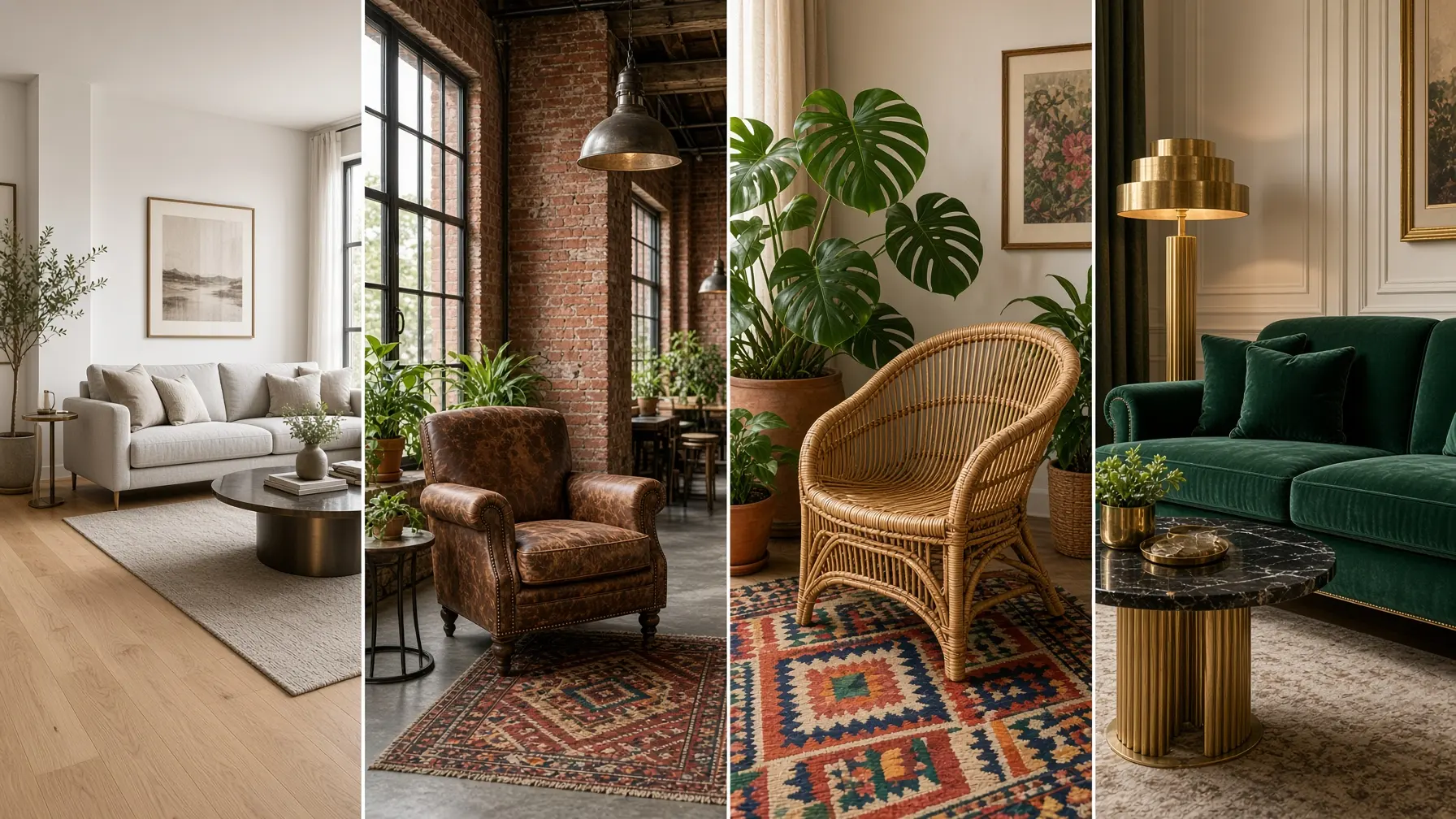
Interior design styles give you a shared language for describing how a room looks and feels. Once you know the difference between Japandi and Scandinavian, or modern and contemporary, it becomes much easier to shop, plan a makeover and explain what you want to a designer. This guide covers 24 of the main types of interior design styles, what defines each one, and how to work out which of them suits the way you actually live.
What Are Interior Design Styles?
An interior design style is a recognisable combination of colours, materials, furniture shapes and decorative details. Some styles come from a particular era, such as Art Deco in the 1920s or mid-century modern after the Second World War. Others grew out of a place, like Scandinavian or Mediterranean design, and a few, such as minimalism, are based on a way of living.
So, how many interior design styles are there? There is no official number. Most guides cover somewhere between 15 and 40, and new hybrids appear every few years as trends blend together. People also call them home decor styles, decorating styles or simply the different styles of interior design. The different interior design styles below are the ones you will see most often in homes, magazines and on Pinterest.
It also helps to remember that a style is a starting point rather than a rulebook. Most well designed homes lean on one main style and borrow a few details from another.
Interior Design Styles List at a Glance
Use this quick list of interior design styles to spot the ones that catch your eye, then read the full descriptions below.
| Style | Signature look | Typical palette |
|---|---|---|
| Modern | Clean lines, no ornament | Neutrals with black accents |
| Contemporary | Current, curved, sculptural | Soft neutrals with bold touches |
| Minimalist | Few objects, open space | White, grey, beige |
| Scandinavian | Light, cosy, practical | White, pale wood, soft grey |
| Japandi | Calm, natural, handmade | Warm neutrals, charcoal |
| Mid-century modern | Tapered legs, retro shapes | Teak, mustard, olive, orange |
| Industrial | Brick, metal, concrete | Grey, black, rust |
| Organic modern | Natural textures, soft curves | Sand, clay, sage |
| Traditional | Symmetry, rich fabrics | Deep reds, greens, gold |
| Transitional | Classic shapes, calm finish | Greige, taupe, cream |
| Art Deco | Geometry, glamour | Jewel tones, brass, black |
| Hollywood Regency | Glossy, dramatic, glam | Pink, emerald, gold |
| French country | Rustic elegance | Cream, lavender, soft blue |
| Modern farmhouse | Shiplap, wood, black metal | White, black, natural wood |
| Rustic | Rough wood and stone | Browns, tans, forest green |
| Coastal | Breezy and light | White, sand, sea blue |
| English country | Floral, collected, cosy | Rose, sage, cream |
| Bohemian | Layered, global, free spirited | Terracotta, mustard, green |
| Eclectic | Deliberate mix of eras | Varied, with repeated colours |
| Maximalist | Pattern and colour everywhere | Saturated and bold |
| Mediterranean | Sun baked and relaxed | White, terracotta, blue |
| Moroccan | Pattern, lanterns, texture | Saffron, teal, deep red |
| Wabi-sabi | Imperfect and natural | Earthy, muted, stone |
| Quiet luxury | Understated quality | Complex warm neutrals |
Modern and Contemporary Interior Design Styles
These modern interior design styles share clean lines and uncluttered rooms, but each one has its own mood, from warm and cosy to cool and architectural.
1. Modern
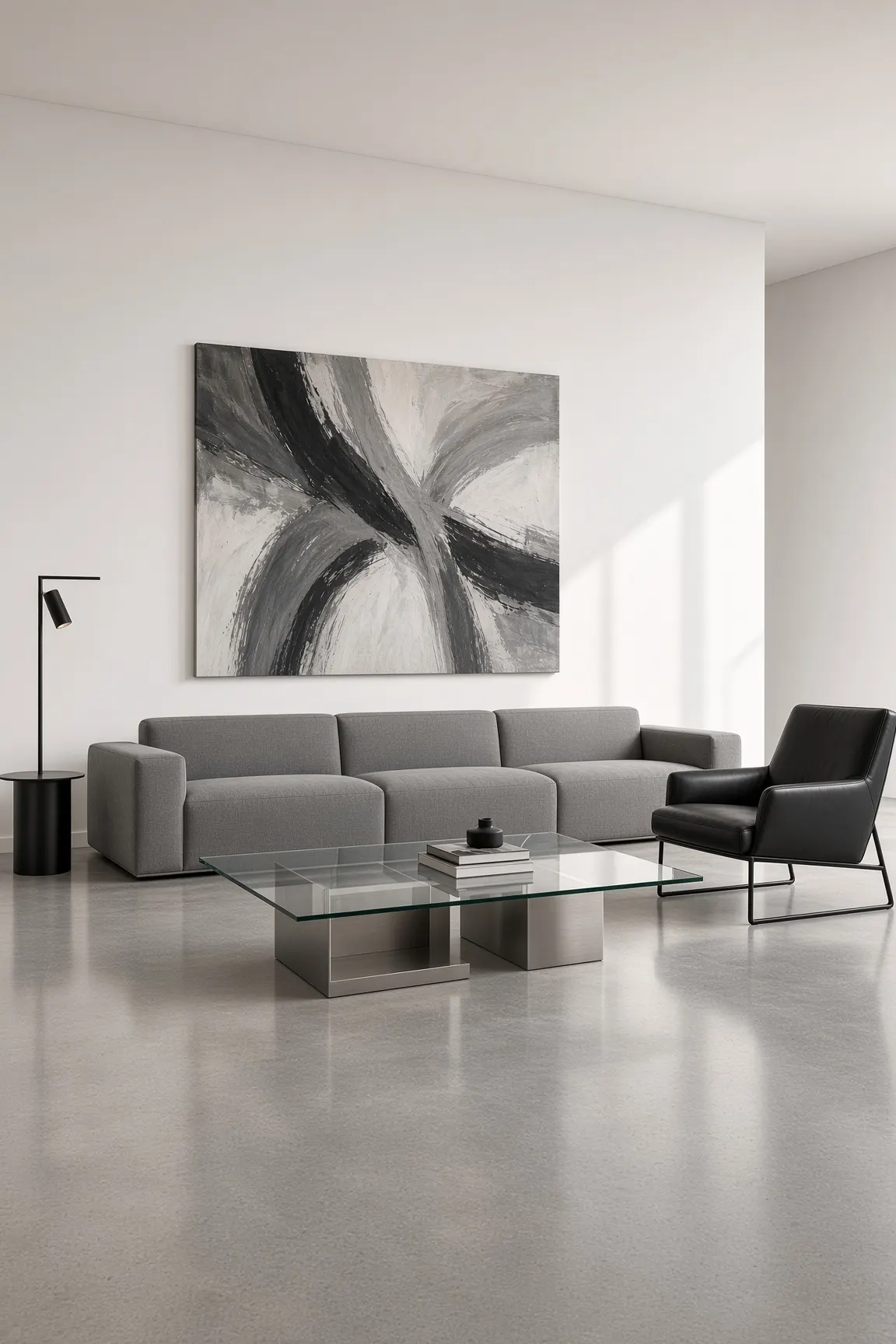
Modern interior design comes from the modernist movement of the early and mid 20th century, and it is not the same as "whatever is new". It favours clean lines, simple forms and function over decoration. Expect low, straight-edged sofas, glass and steel tables, leather, and a palette of white, grey and black with the odd natural wood tone. Every piece has a purpose, and there is very little ornament. Modern style suits people who like order and a home that feels calm and structured.
2. Contemporary
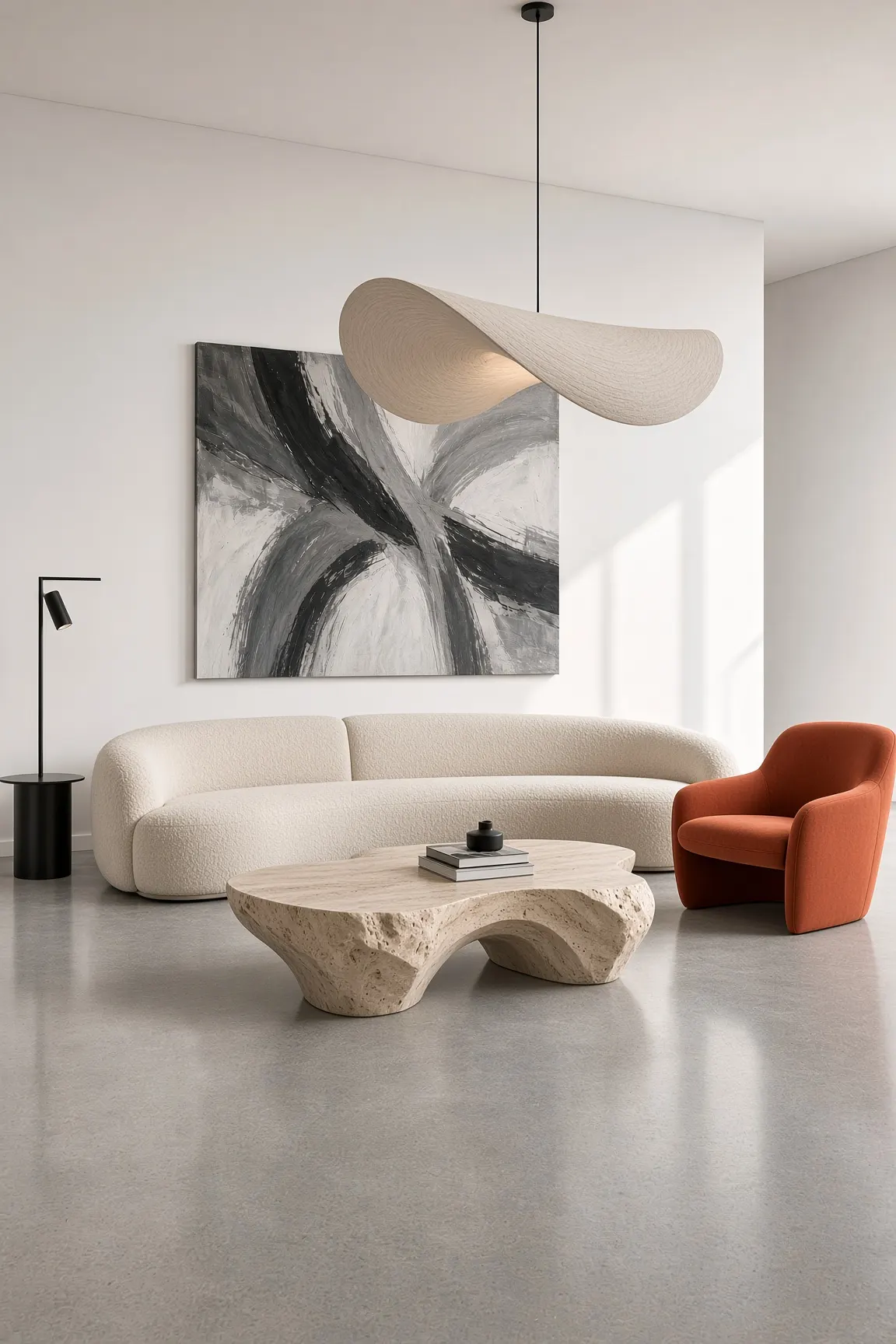
Contemporary design reflects what is popular right now, so it keeps changing. Today that means soft curves, sculptural furniture, layered textures, statement lighting and a mostly neutral backdrop with a few bold accents. Because it borrows freely from other styles, contemporary interiors feel current without being tied to a single era. It is a good fit if you enjoy updating your home with new ideas and don't want to follow strict rules.
3. Minimalist
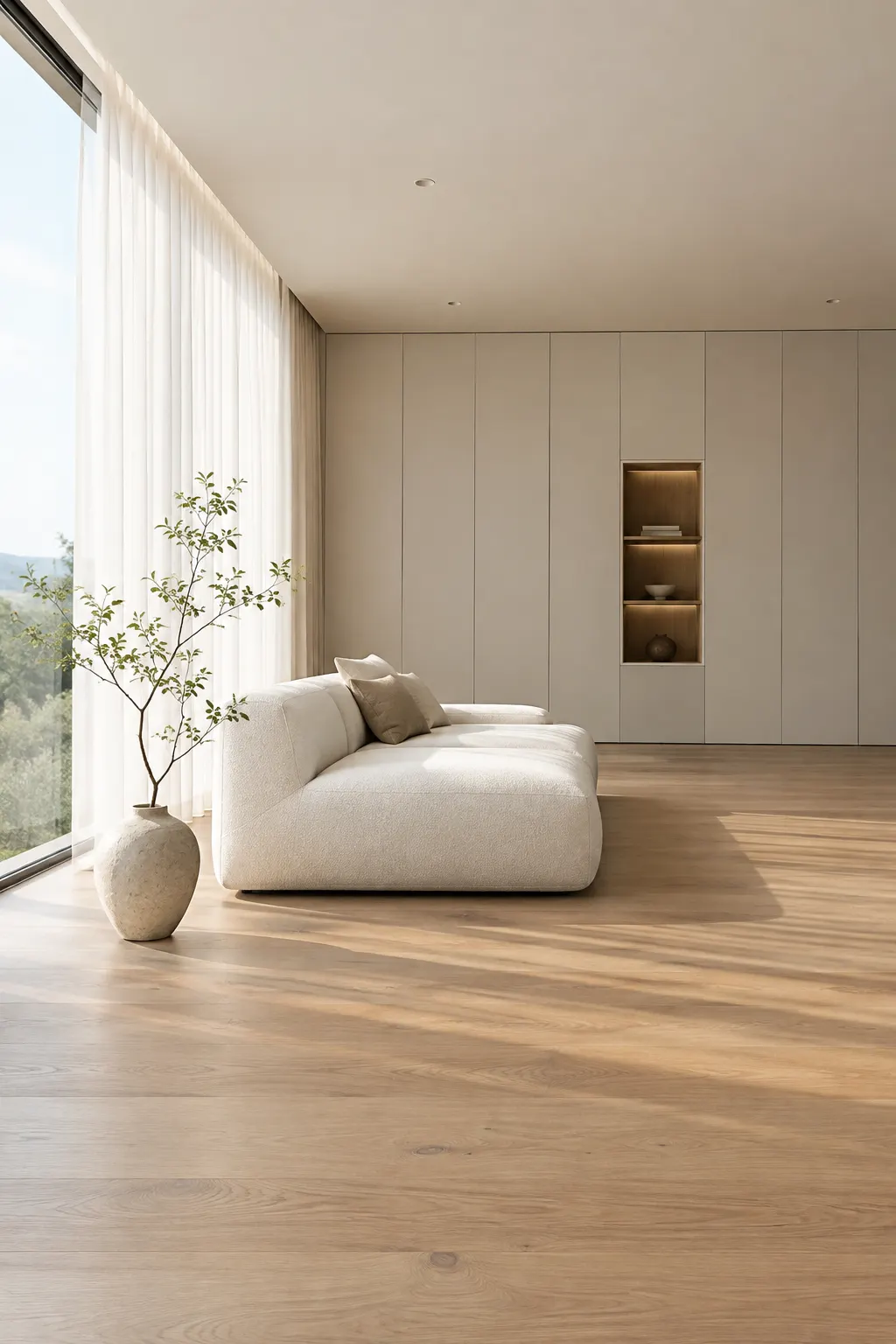
Minimalism is about editing rather than adding. Rooms have fewer pieces, clear surfaces and plenty of empty space, and every object has to earn its place. The palette is usually white, grey or beige, and storage is hidden so clutter never takes over. Good minimalist rooms feel peaceful rather than bare, thanks to quality materials and careful lighting. It works best for people who find mess stressful and like a home that is quick to tidy.
4. Scandinavian
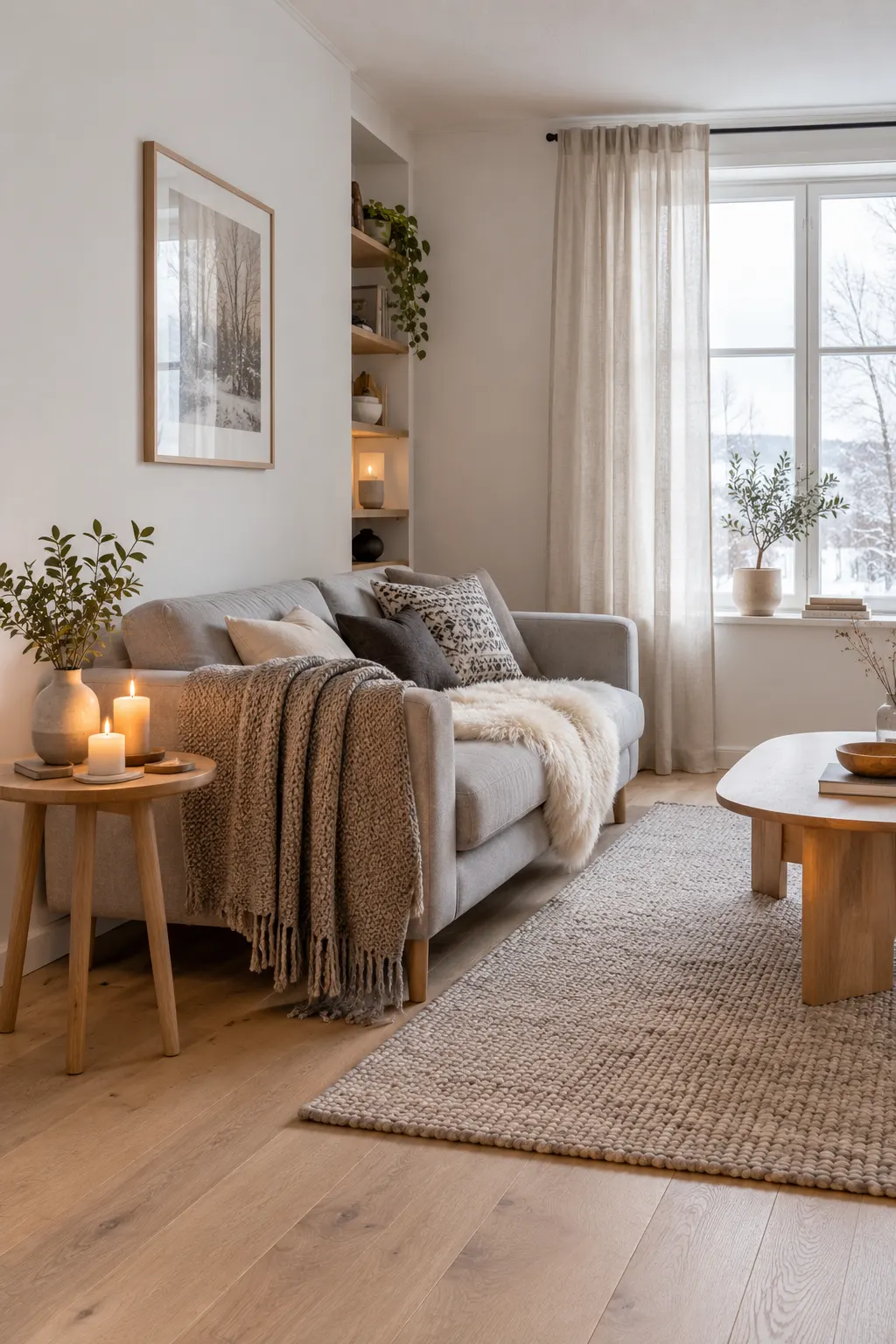
Scandinavian design, often called Scandi, was shaped by long, dark Nordic winters, so it makes the most of light. Walls are white or pale grey, floors are light wood such as oak, ash or pine, and furniture is simple and practical. Wool throws, sheepskins, linen and candles add the cosy feeling the Danes call hygge. Scandi style works well in small homes and rooms with limited daylight, and it is one of the easiest looks to live with every day.
5. Japandi
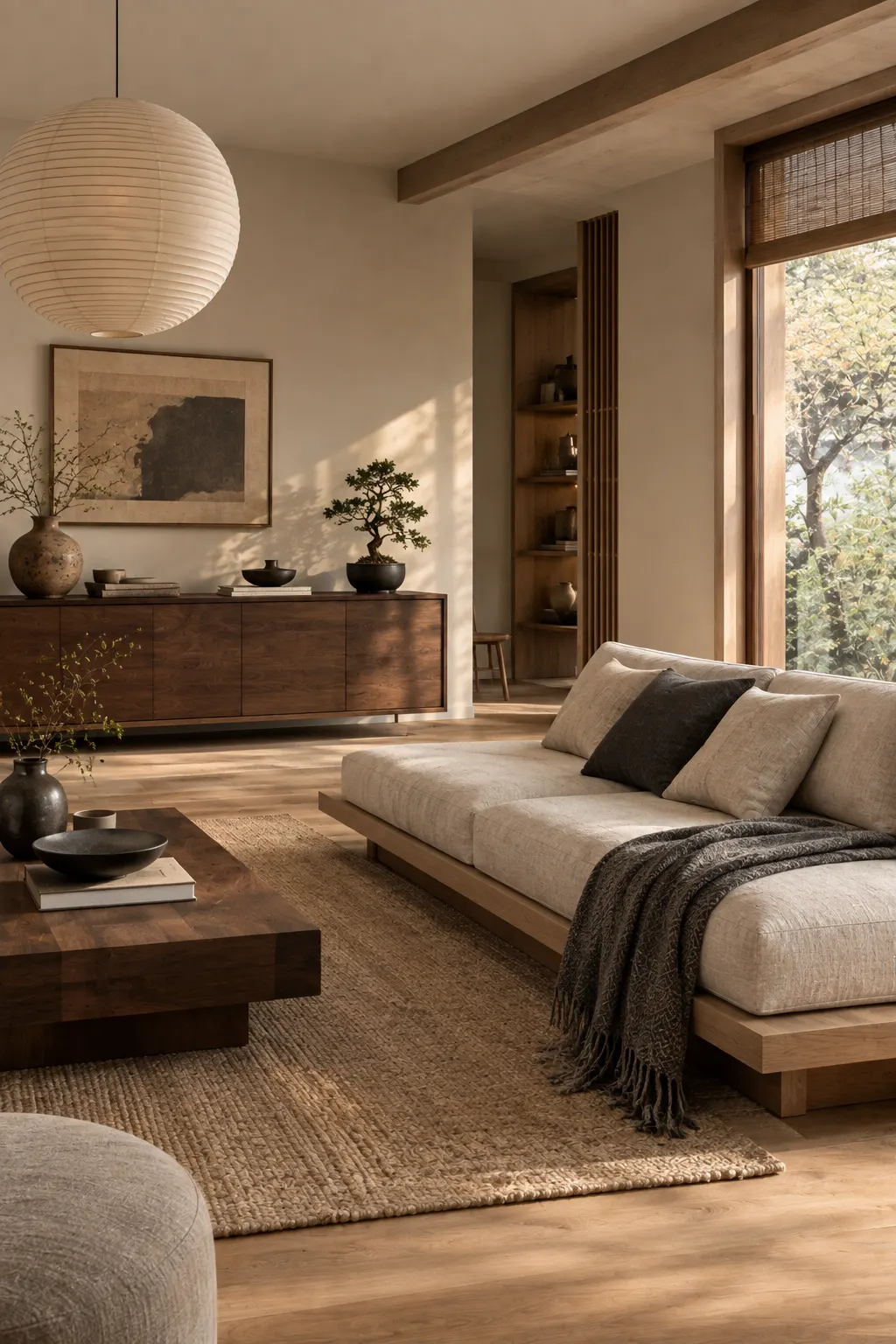
Japandi blends Japanese and Scandinavian design. From Japan it takes low furniture, natural materials and a deep respect for craftsmanship; from Scandinavia it takes comfort and function. Look for oak or walnut furniture, paper lanterns, stoneware, linen and a muted palette of warm whites, beige, clay and charcoal. The result is calm and uncluttered but still warm. Japandi is ideal if minimalism feels too cold for you but you still want a serene space.
6. Mid-Century Modern
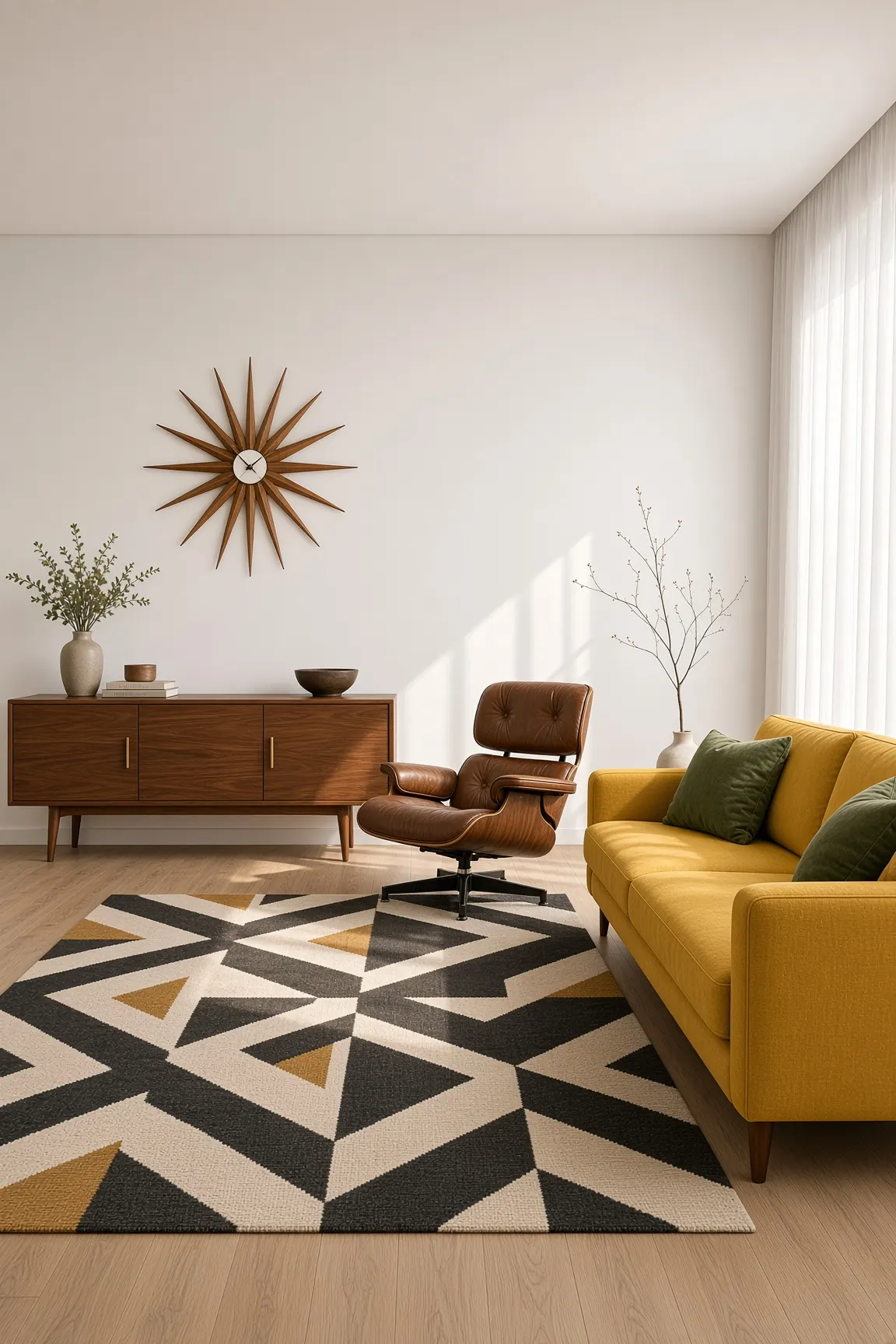
Mid-century modern comes from roughly the 1940s to the 1960s and has never really gone away. Its signature pieces sit on slim, tapered legs, and warm woods such as teak and walnut are everywhere. Colour arrives through mustard, olive, burnt orange and teal, often in graphic prints. Because the furniture is low and light, rooms feel bigger and airier. Even one mid-century sideboard or lounge chair can give a plain room instant character, and a low-backed sofa on tapered legs is one of the easiest living room couch ideas to borrow from this era.
7. Industrial
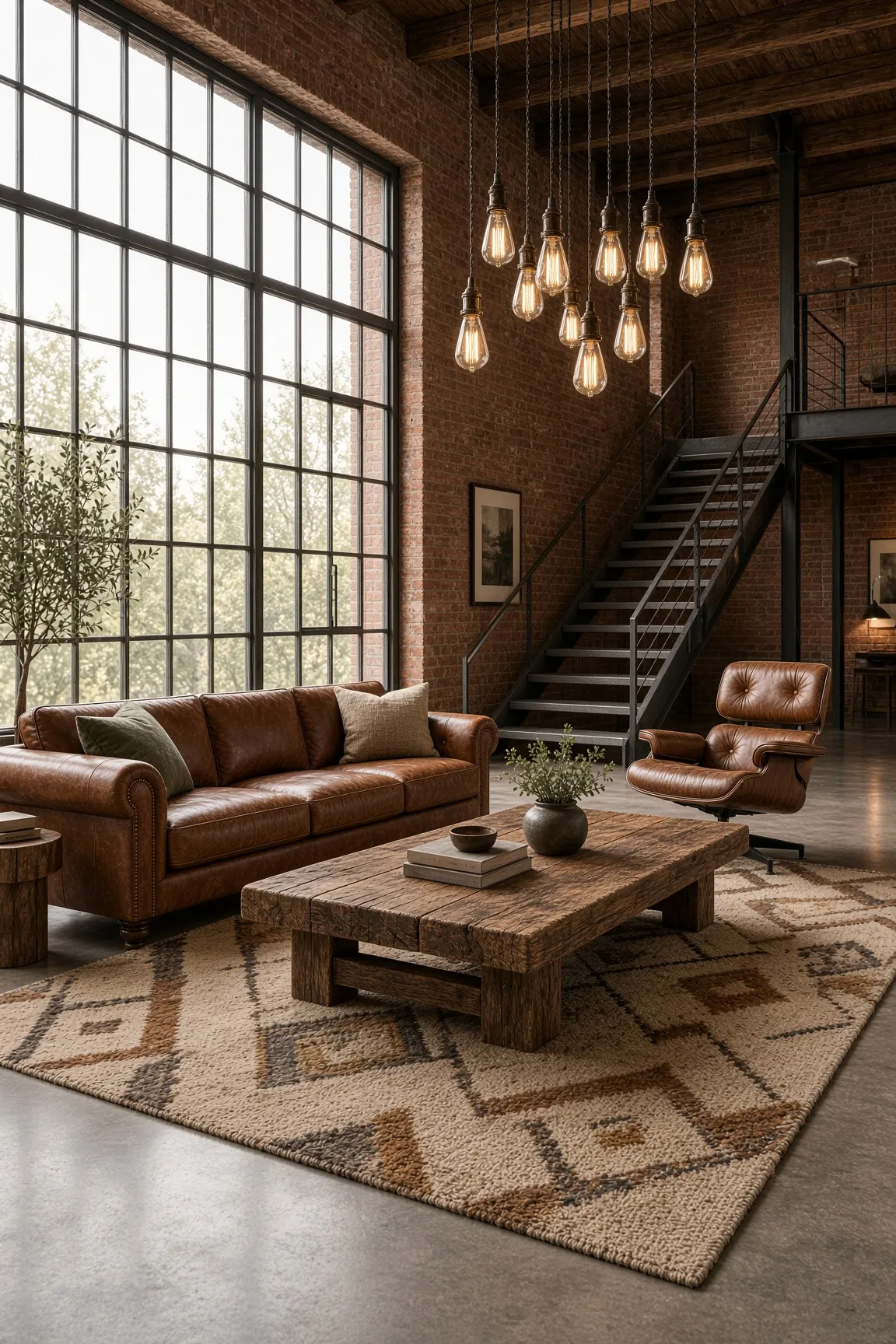
Industrial style takes its cues from converted factories and warehouse lofts. Exposed brick, concrete floors, metal pipes, steel-framed windows and reclaimed wood are all part of the look. The palette is grey, black and brown, with leather and vintage lighting adding warmth. Without soft textiles and rugs it can feel cold, so the best industrial rooms balance raw materials with comfort. It suits open plan spaces and anyone who likes an urban, architectural feel.
8. Organic Modern
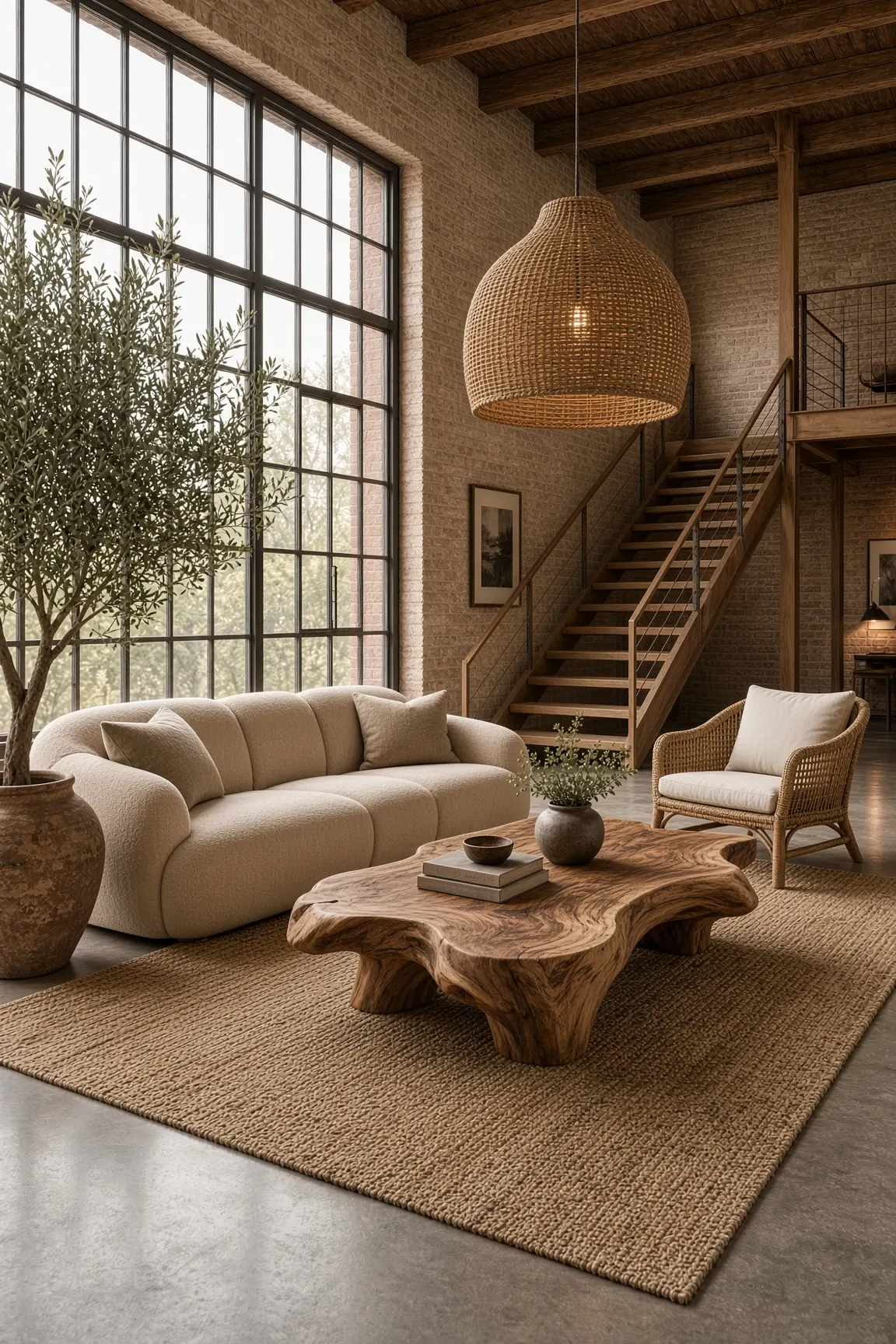
Organic modern softens modern design with nature. It keeps the clean lines and open space but adds rounded furniture, natural textures such as linen, jute, rattan and raw wood, and plenty of houseplants. Colours are drawn from the landscape, including sand, clay, stone and sage. Many people connect it with biophilic design, which focuses on bringing nature indoors. It is a relaxed, fresh choice for anyone who wants a modern home that feels warm and grounded.
Classic and Traditional Interior Design Styles
These classic interior design styles draw on history, symmetry and fine detail. They tend to feel elegant, established and built to last.
9. Traditional
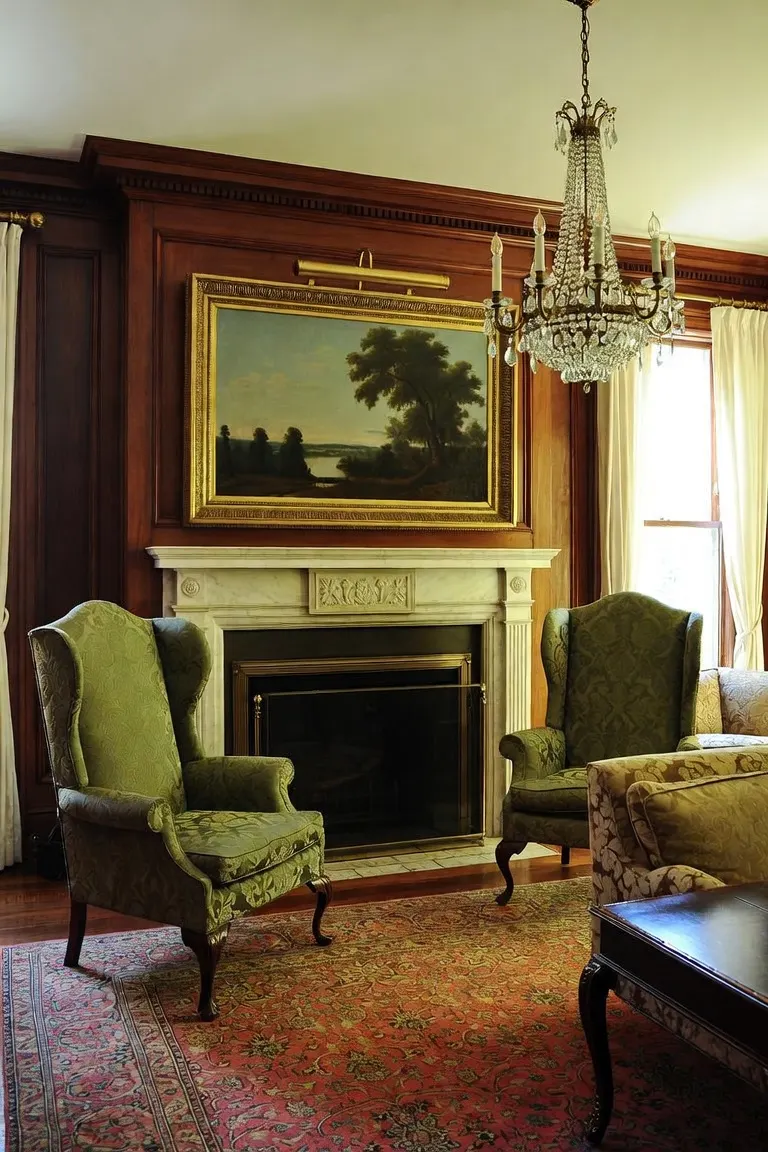
Traditional design is rooted in 18th and 19th century European homes. It features symmetry, detailed mouldings, wood panelling, patterned fabrics such as damask and florals, and classic furniture like wingback chairs and rolled-arm sofas. Colours are rich, with deep reds, greens, navy and gold. Traditional rooms feel warm, orderly and a little formal, and they suit period properties and anyone who loves antiques and heritage.
10. Transitional
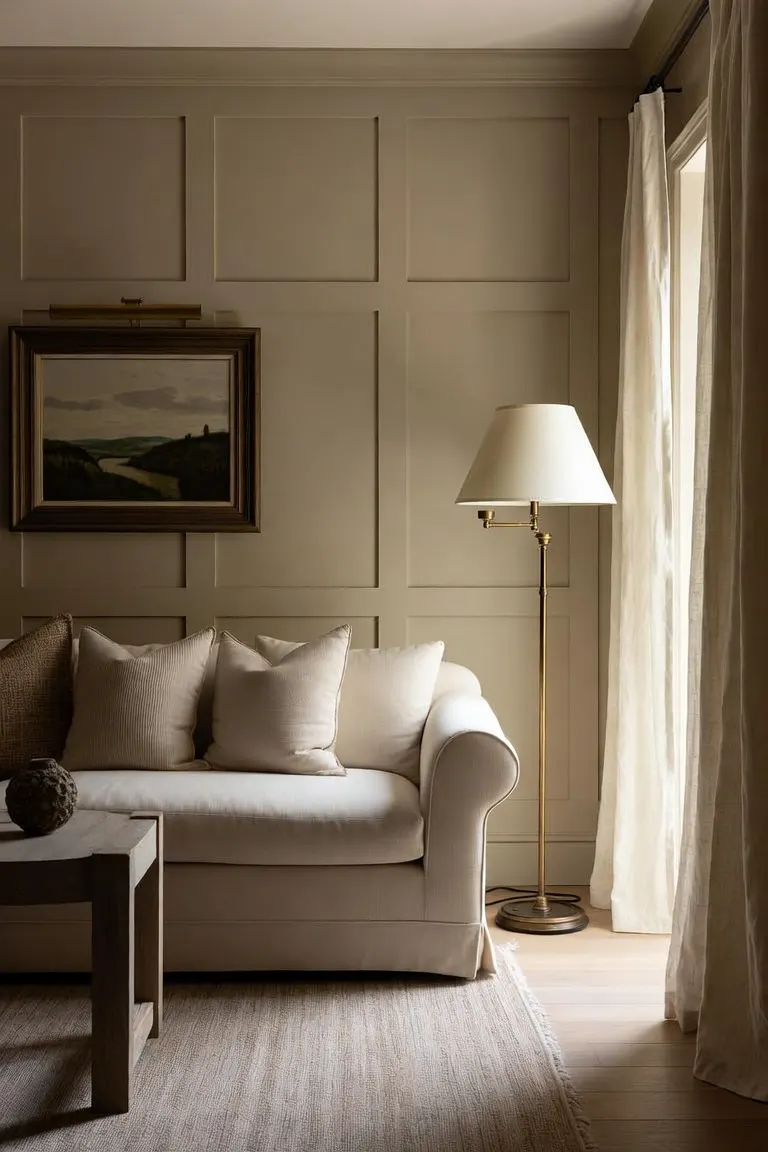
Transitional style sits between traditional and modern. It keeps classic shapes, such as a curved sofa arm or a panelled wall, but pairs them with simpler fabrics, fewer accessories and a calm palette of greige, taupe, cream and soft grey. It is one of the most popular choices because it is easy to live with and rarely dates. Transitional also works well when two people in a home have different tastes.
11. Art Deco
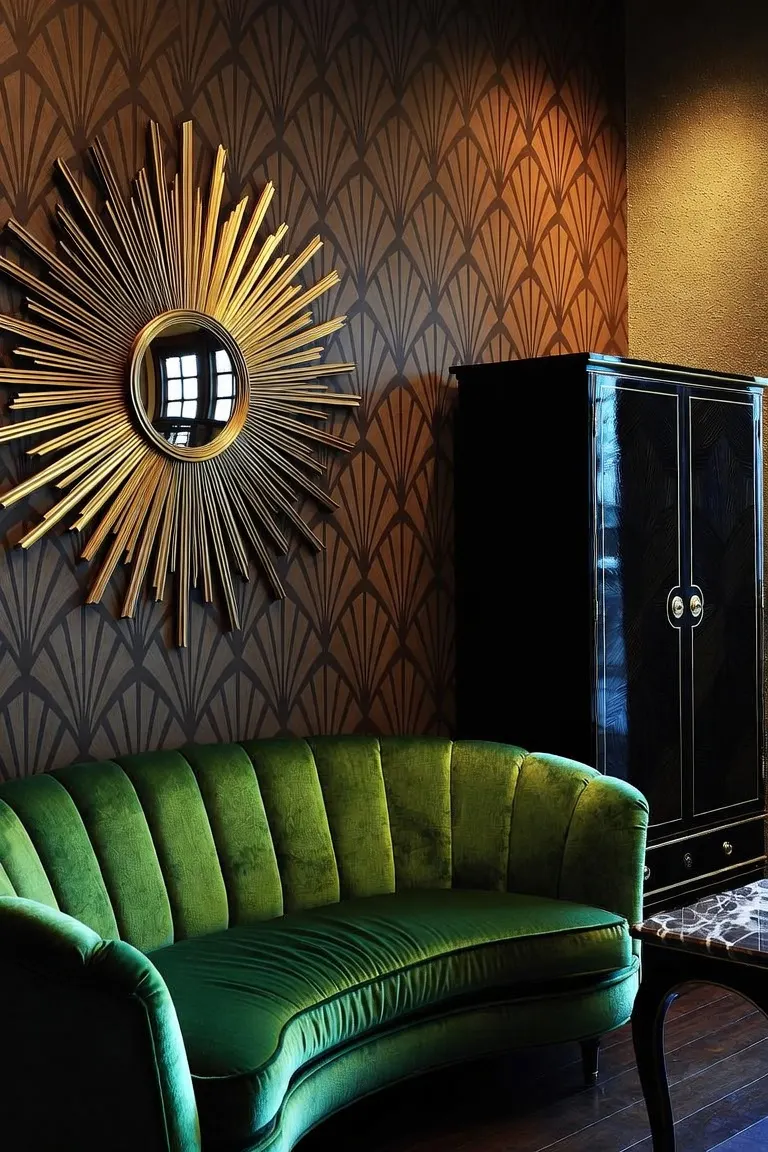
Art Deco peaked in the 1920s and 1930s and is all about glamour and geometry. Look for sunburst mirrors, fan and chevron patterns, curved velvet sofas, lacquered furniture and plenty of brass or gold. Jewel tones such as emerald, sapphire and deep teal sit alongside black and white. It is a confident, dramatic style that works beautifully in living rooms, dining rooms and bathrooms, even if you only use a few Deco pieces.
12. Hollywood Regency
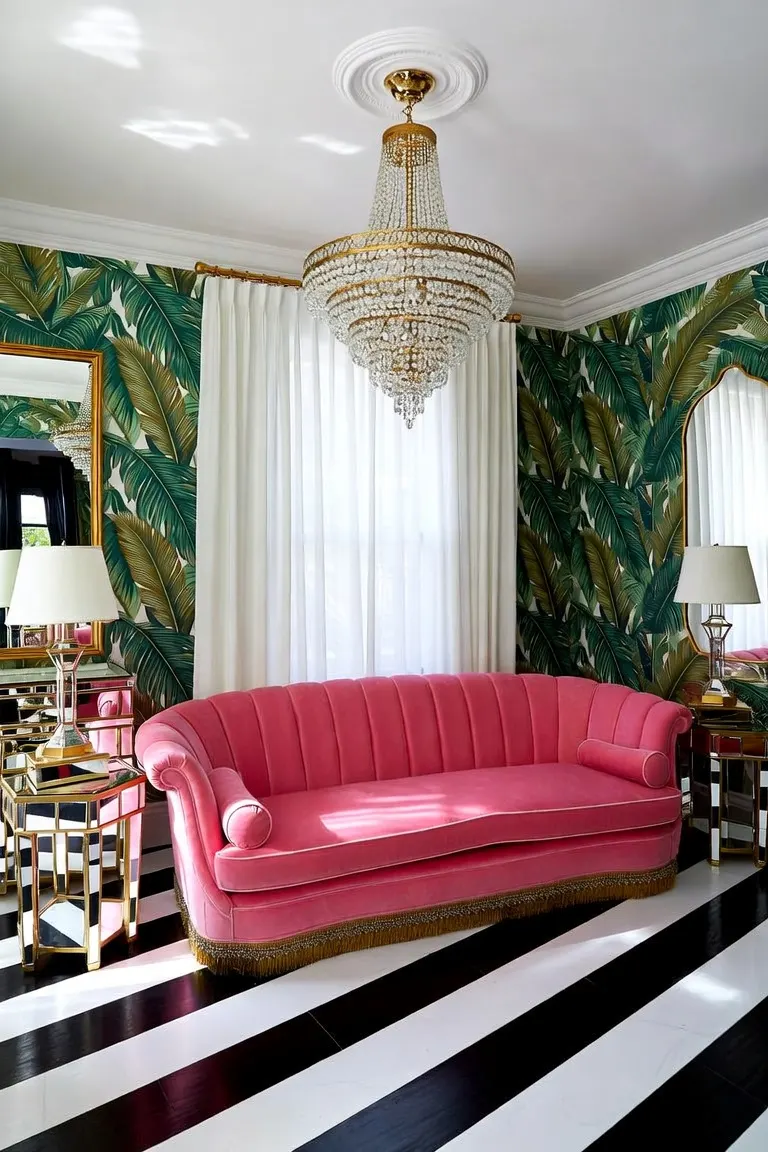
Hollywood Regency, sometimes called Hollywood glam, grew from the glamorous homes of 1930s film stars. It mixes high-gloss finishes, mirrored furniture, velvet, bold wallpaper and statement chandeliers. Pink, emerald, black and gold are common, and pieces are often oversized for drama. It is one of the most playful luxury interior design styles and suits people who want their home to feel like a party.
13. French Country
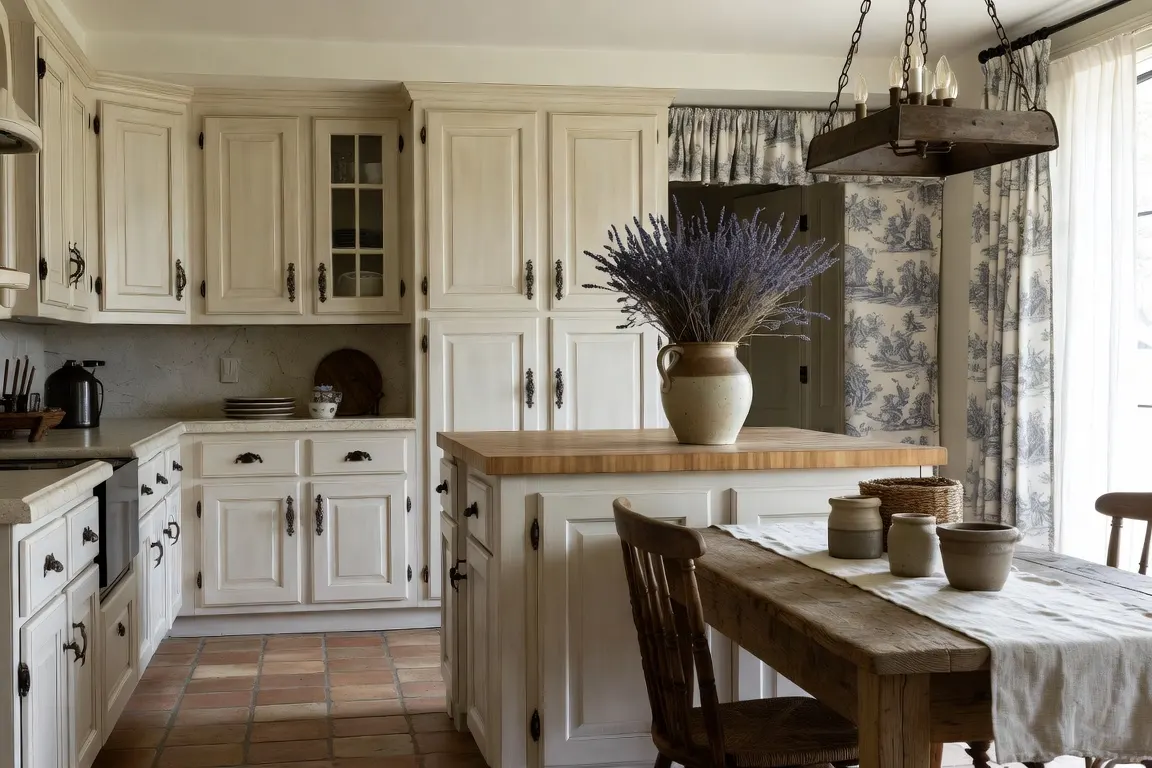
French country brings the relaxed elegance of a Provençal farmhouse indoors. Expect distressed painted furniture, carved wood, toile and gingham fabrics, linen, terracotta floors and wrought iron. The palette is soft, with cream, lavender, butter yellow and faded blue. It feels romantic and lived-in rather than formal, and it suits kitchens and bedrooms especially well.
Relaxed and Rustic Interior Design Styles
If you want a home that feels casual, warm and welcoming, these styles are a natural starting point.
14. Modern Farmhouse
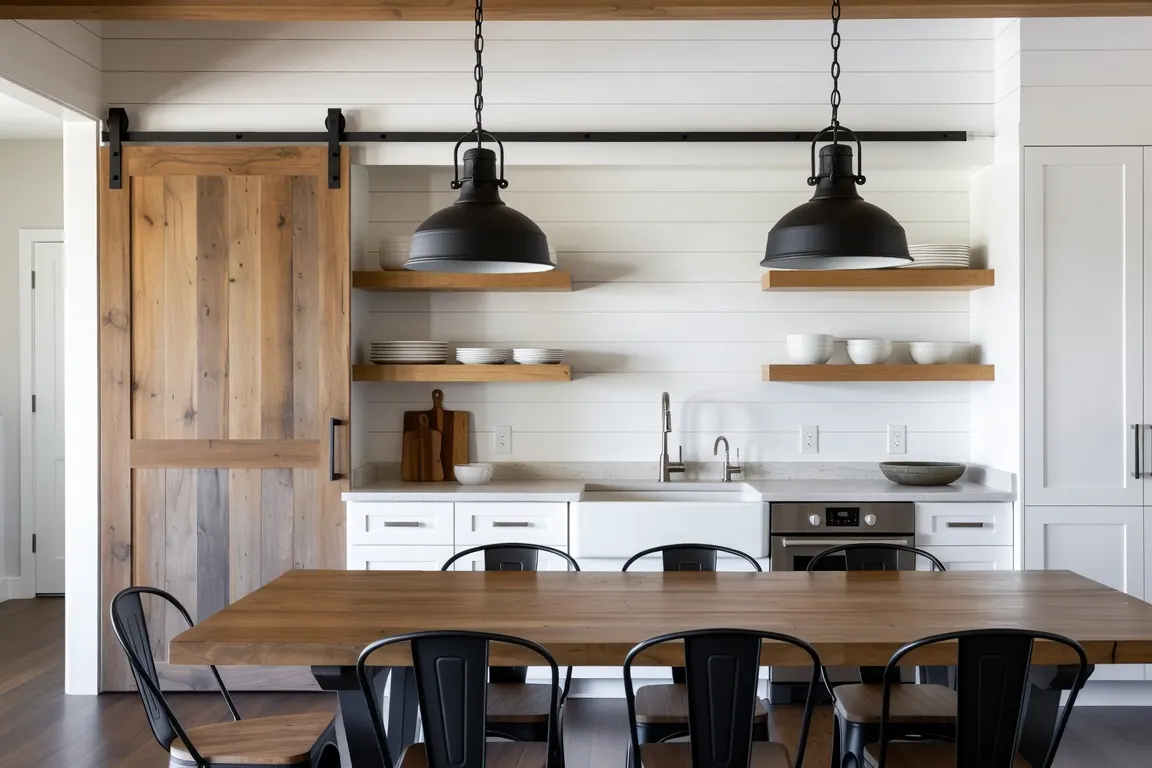
Modern farmhouse pairs the charm of a working farmhouse with clean, contemporary lines. Shiplap walls, barn doors, farmhouse sinks, open shelving and black metal fittings are typical, along with lots of natural wood. The palette is mostly white and cream with black accents. It is practical, family friendly and especially popular in open plan kitchens and living areas.
15. Rustic
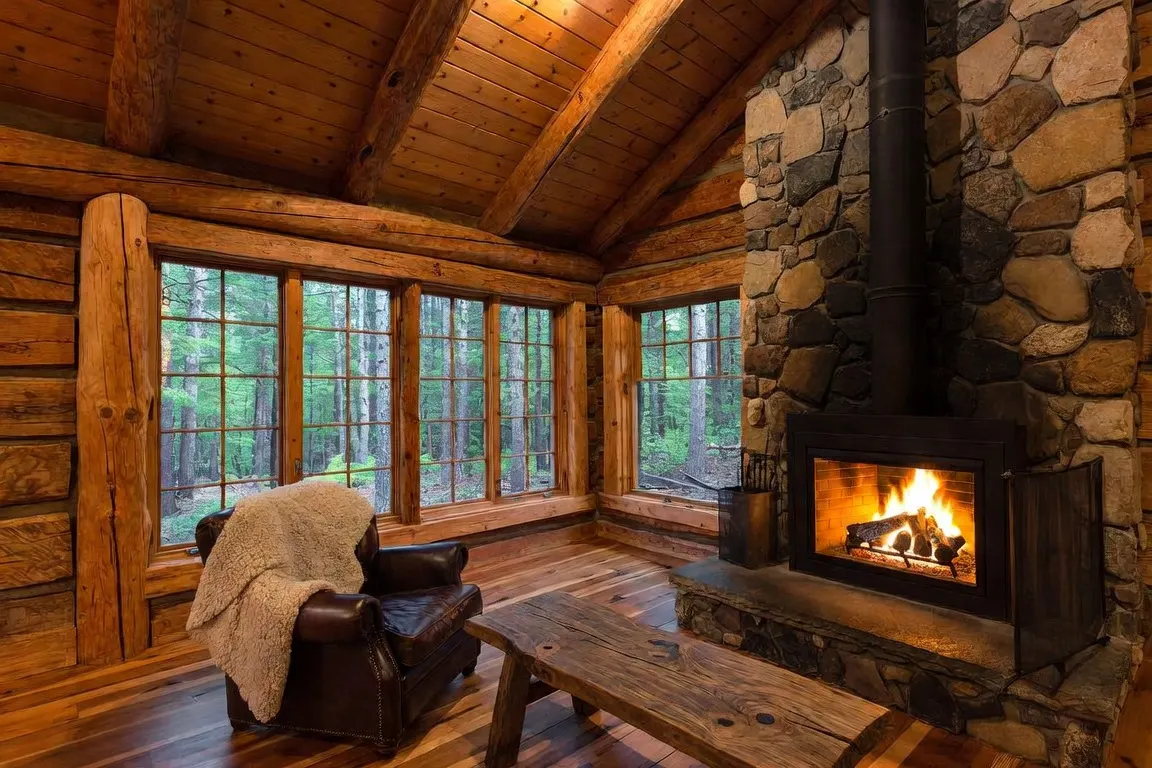
Rustic interiors celebrate raw, natural materials: exposed beams, rough-hewn wood, stone fireplaces, leather and wool. Furniture is solid and sturdy, and colours are earthy browns, tans and deep greens. Think of a mountain cabin or country lodge. Rustic style feels cosy and grounded, and it pairs well with modern pieces if you want a lighter version.
16. Coastal
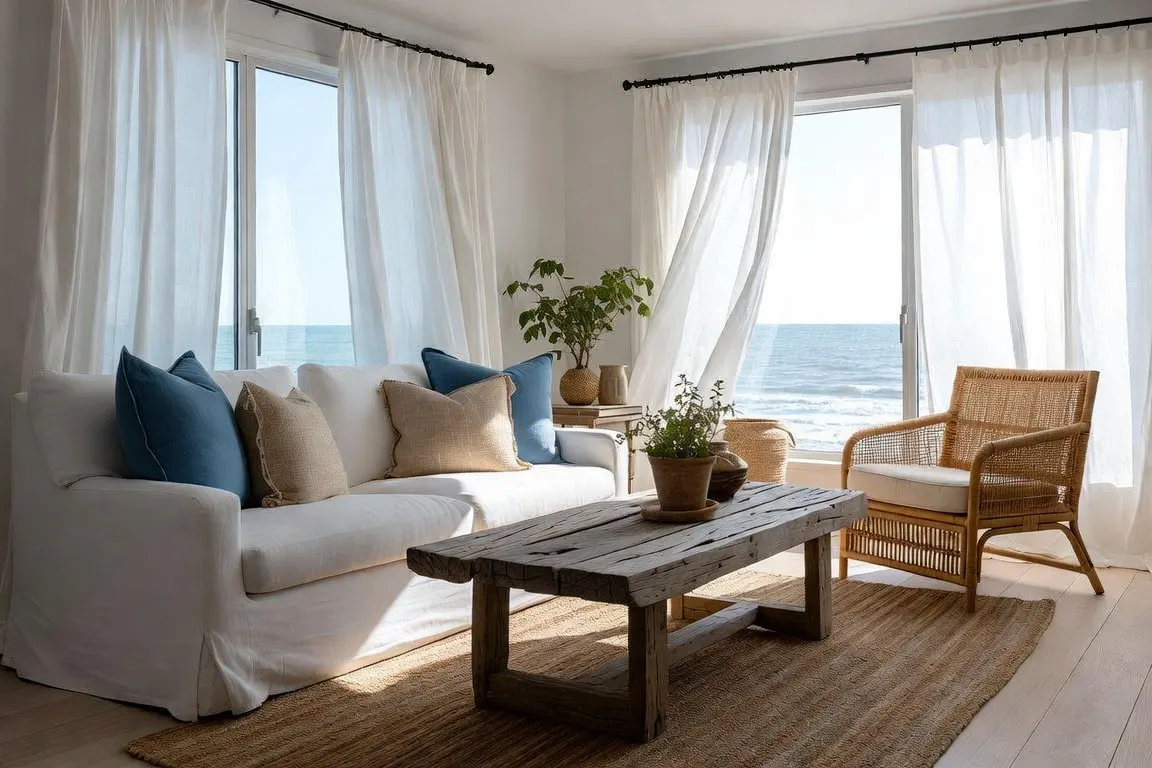
Coastal style captures the feeling of a beach house without turning the home into a theme. It relies on natural light, white and sandy walls, soft blues and greens, and textures such as linen, rattan, jute and weathered wood. Furniture is comfortable and easy going. The best coastal rooms feel breezy and relaxed, whether you live by the sea or not.
17. English Country
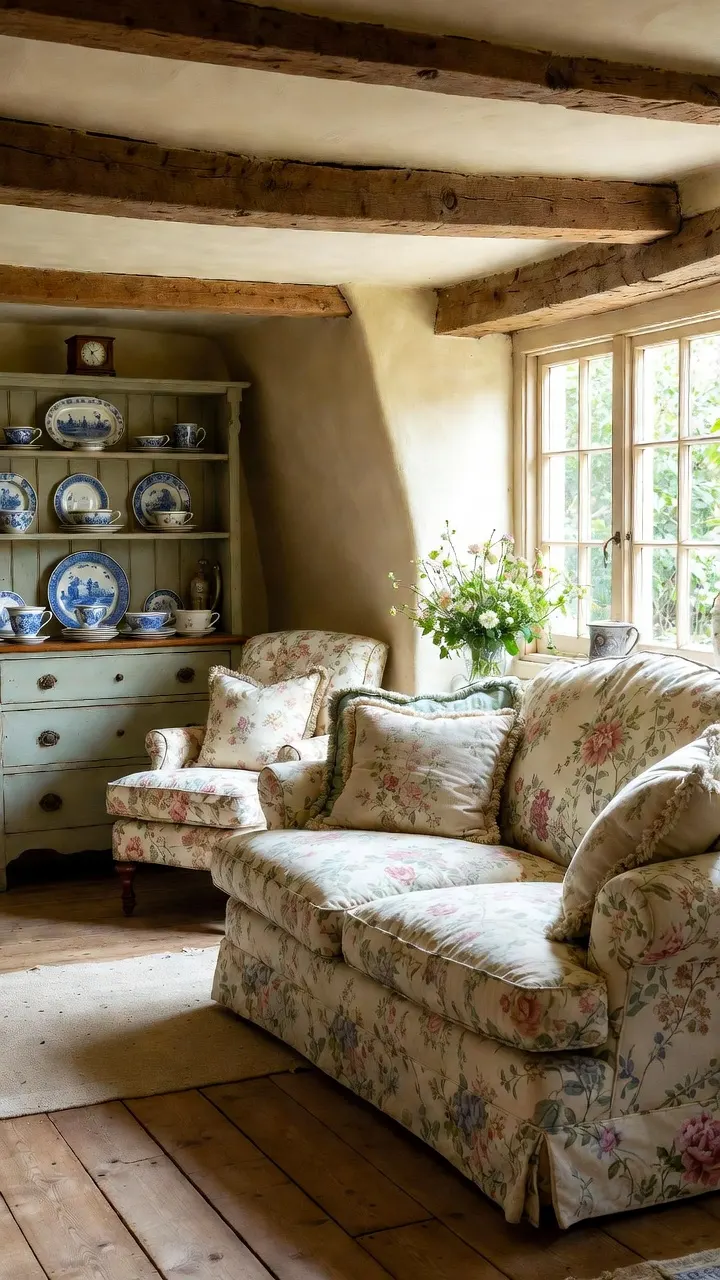
English country style, and its softer, nostalgic cousin cottagecore, is all about comfort and charm. Floral and checked fabrics, painted furniture, open dressers of ceramics, antique finds and plenty of cushions create a gently layered look. The palette includes rose, sage, cream and duck egg blue. It suits cottages, older homes and anyone who likes a room that looks loved over time.
Bold and Expressive Interior Design Styles
These unique interior design styles are for people who want their home to show off personality, colour and collected treasures.
18. Bohemian
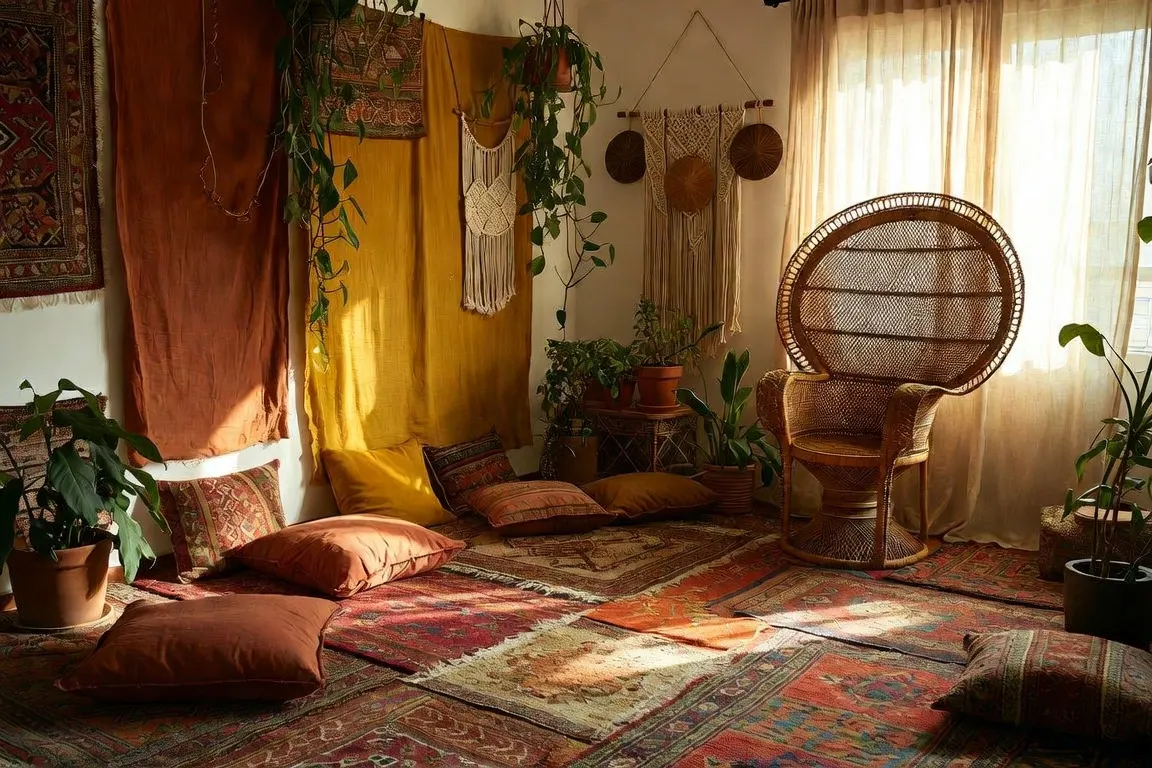
Bohemian, or boho, style is free spirited and personal. It layers patterned rugs, embroidered cushions, macramé, rattan furniture, floor cushions and lots of plants. Warm earthy colours such as terracotta, mustard and olive are common, and pieces often come from travels or vintage shops. There are few rules, but a shared colour story keeps the look relaxed rather than chaotic.
19. Eclectic
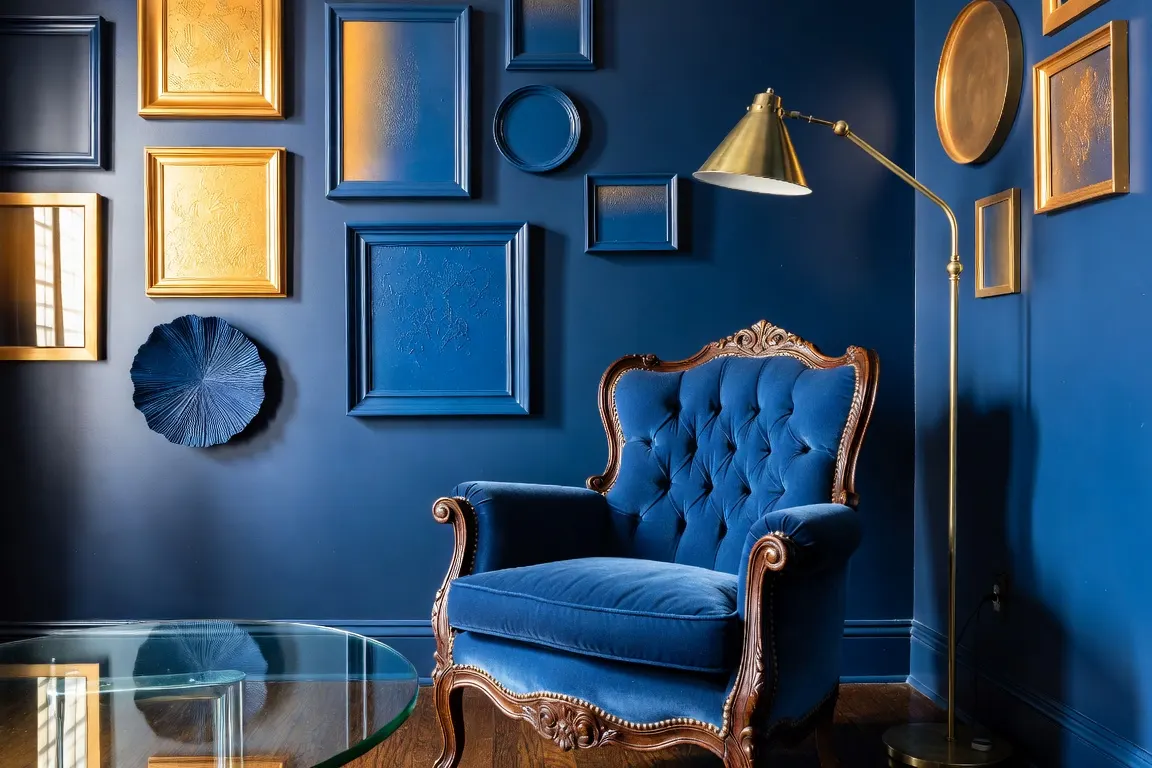
Eclectic design mixes pieces from different periods and styles in a way that feels deliberate. A Victorian chair might sit beside a modern table under a vintage light. What holds it together is repetition: a few colours, shapes or materials that appear throughout the room. Eclectic is ideal for collectors and anyone who loves variety but still wants a polished result.
20. Maximalist
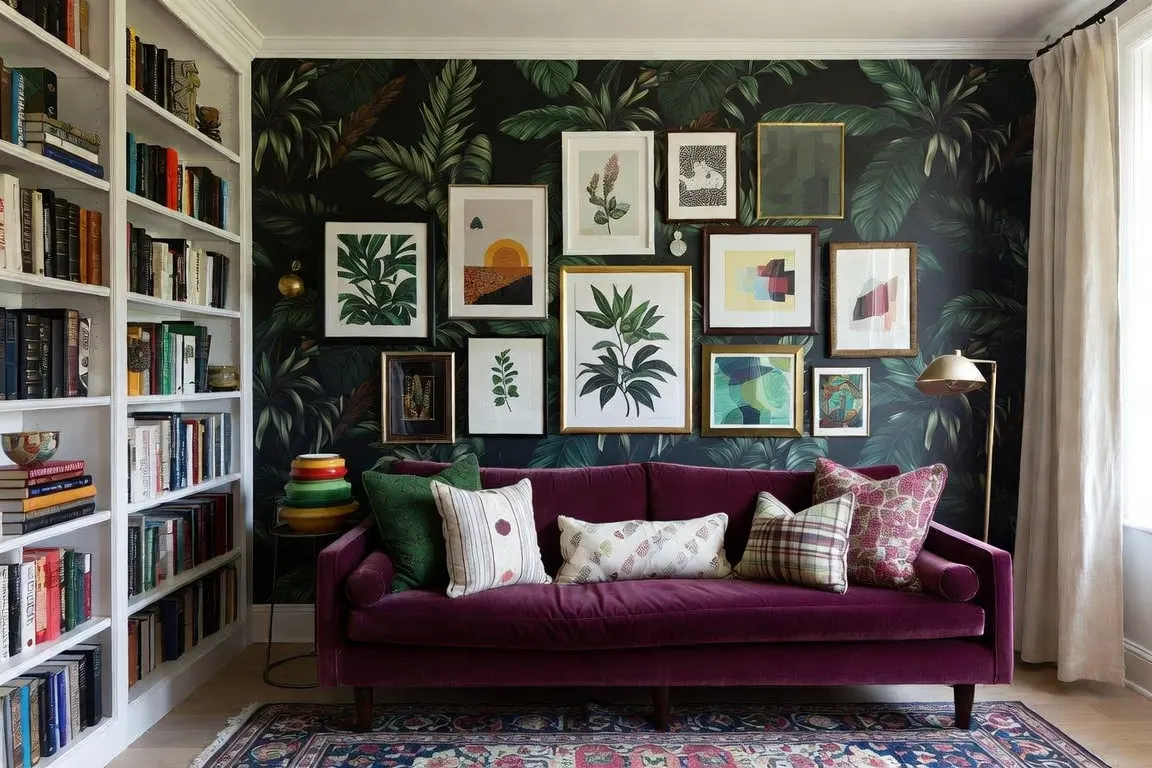
Maximalism celebrates "more is more". Walls might be wallpapered or painted in deep colours, patterns are layered on patterns, and shelves and walls display collections and art. Done well, it feels rich and joyful rather than cluttered. The trick is to repeat a small set of colours so the eye can travel comfortably around the room.
Global and Nature-Inspired Interior Design Styles
Some styles are shaped by a region or a philosophy. These bring warmth, texture and a sense of place.
21. Mediterranean
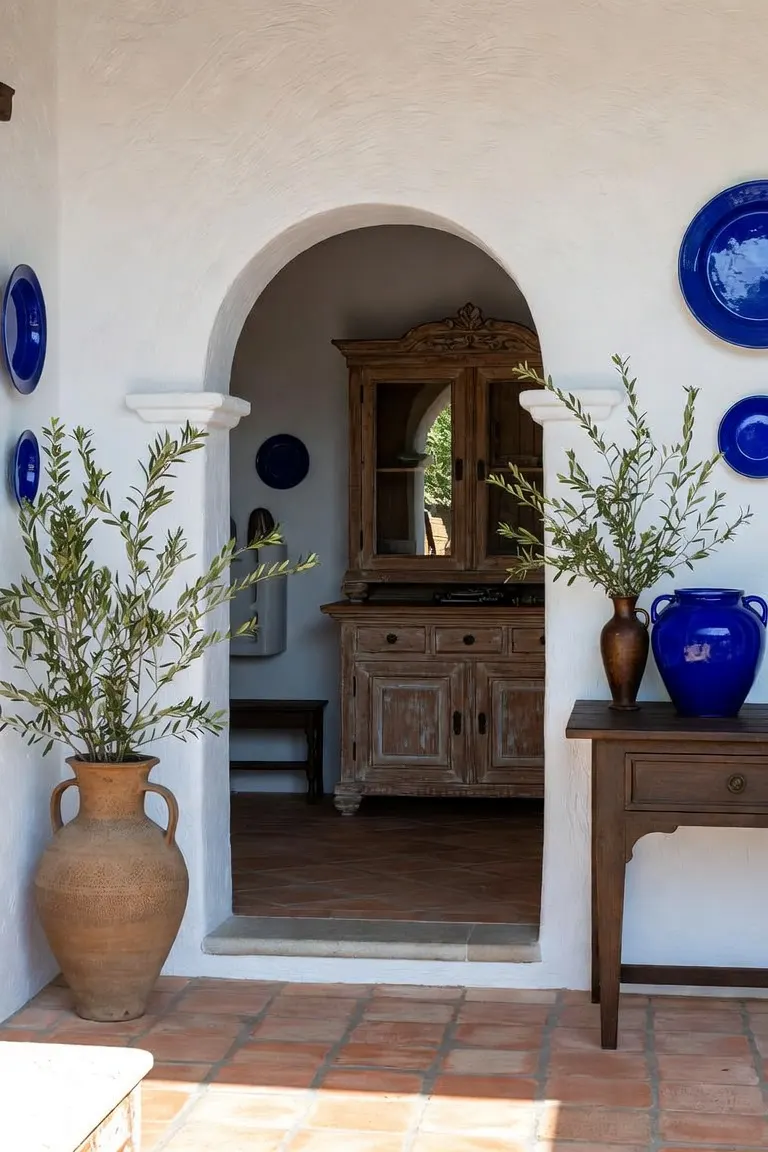
Mediterranean style is inspired by homes in Spain, Italy and Greece. Think whitewashed or textured plaster walls, terracotta tiles, arched doorways, wrought iron, and pops of cobalt or turquoise blue. Furniture is simple and sturdy, often in dark wood. The overall mood is sunny and relaxed, perfect for warm climates or for bringing a holiday feeling home.
22. Moroccan
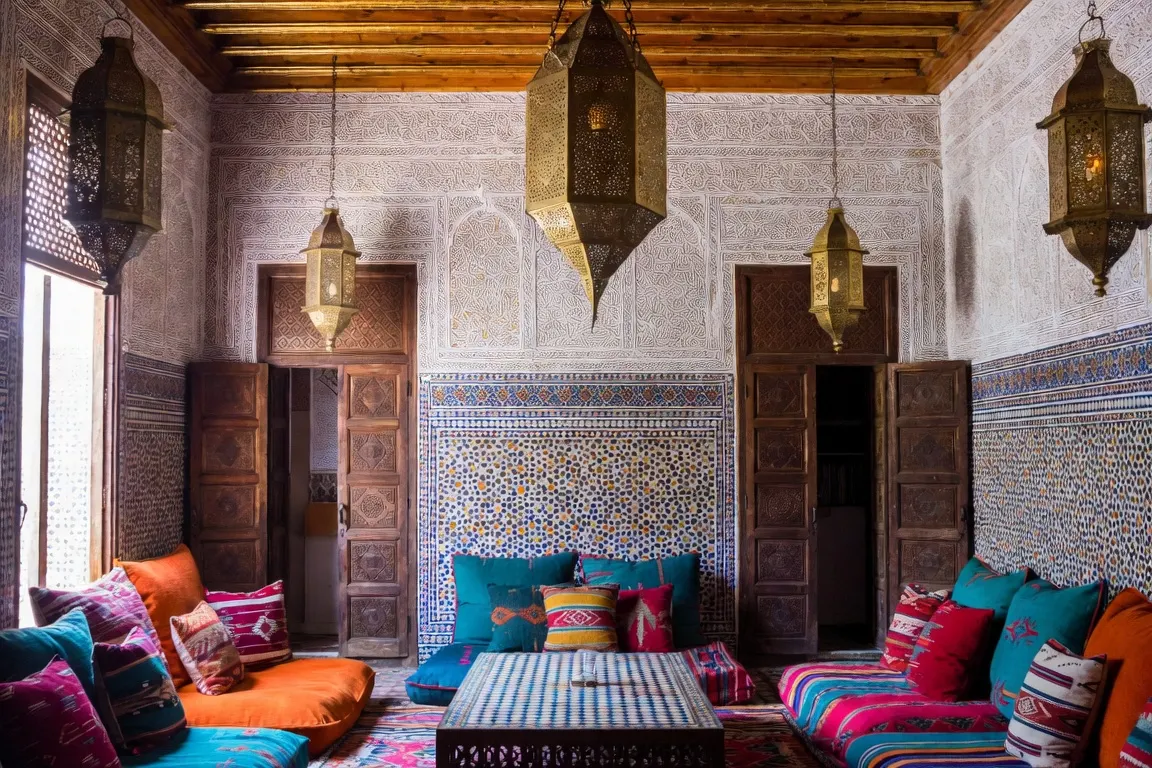
Moroccan interiors are full of colour, pattern and craft. Zellige tiles, carved wood, brass lanterns, low seating, kilim rugs and layered textiles create a rich, inviting space. Colours include saffron, deep red, teal and indigo. You don't need a whole room of it; a lantern, a patterned rug and a few cushions can add Moroccan warmth to a neutral scheme.
23. Wabi-Sabi
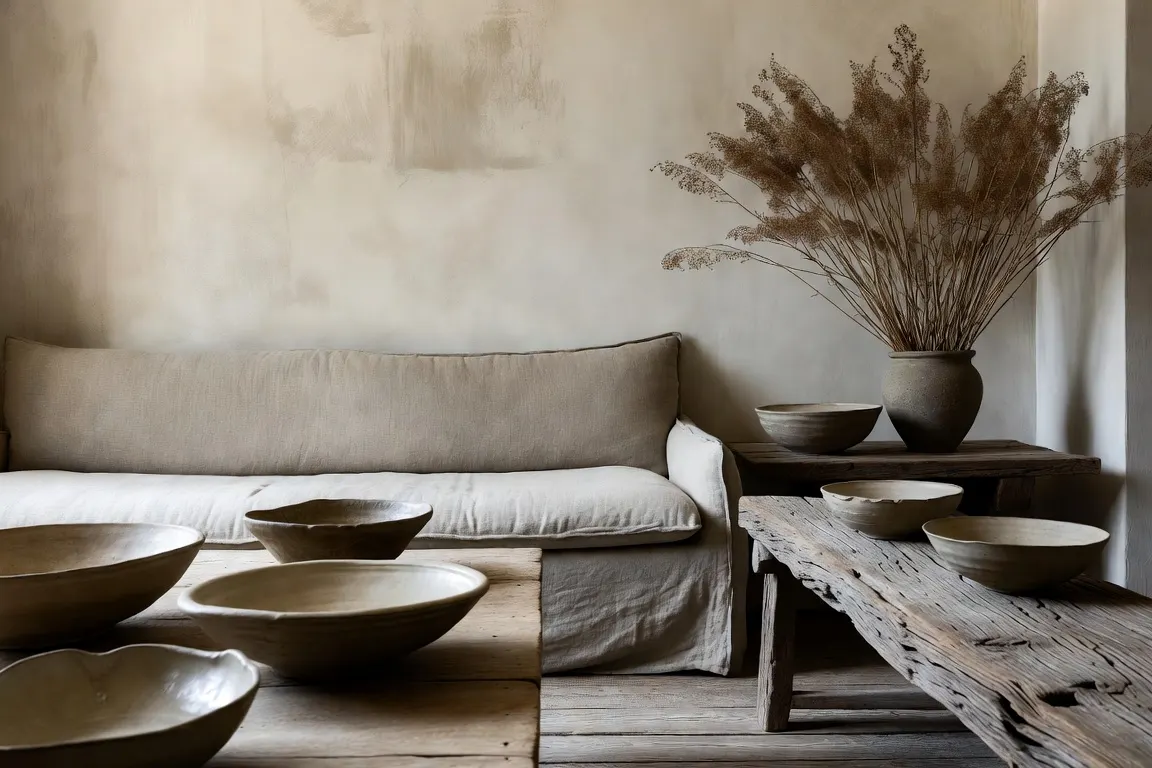
Wabi-sabi is a Japanese philosophy that finds beauty in imperfection and natural ageing. Interiors use handmade ceramics, limewash walls, raw linen, weathered wood and stone, in a muted earthy palette. Nothing looks too new or too perfect. It is calm, soulful and a natural partner to Japandi and organic modern.
Luxury and Trending Interior Design Styles
Home design trends move quickly, but some trending interior design styles have real staying power because they focus on quality rather than fads.
24. Quiet Luxury
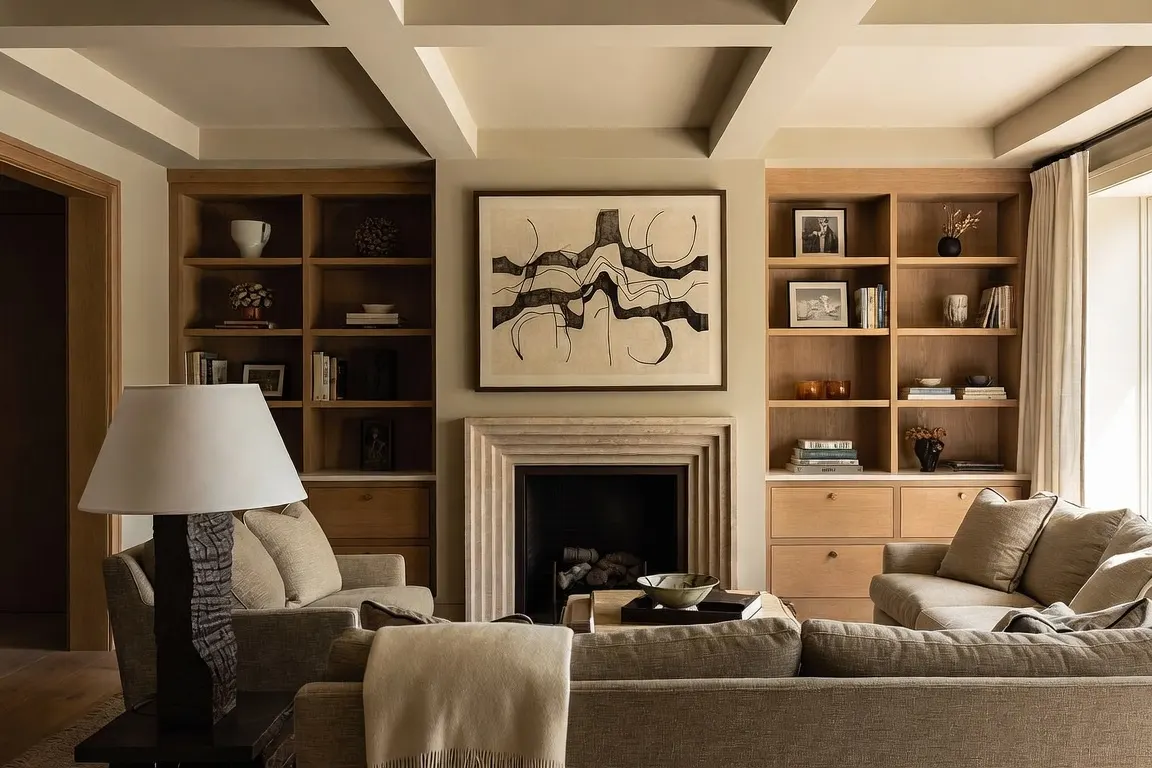
Quiet luxury is less about a specific look and more about a standard. There are no logos or flashy statements, just beautiful materials such as natural stone, solid wood, wool, cashmere and linen in a palette of layered warm neutrals. Bespoke joinery and good lighting do most of the work. The room feels expensive because of how it is made, not because of what it shows off.
Other popular interior design styles right now include warm minimalism, which softens bare rooms with texture and wood, and "midimalism", the middle ground between minimalist and maximalist design.
Modern vs Contemporary Interior Design: What's the Difference?
These two are the most often confused of all the styles of interior design. Modern design refers to a fixed historical movement from the early to mid 20th century, with clean lines, function first and natural materials. Contemporary design simply means what is current, so it keeps evolving and borrows from many sources. In short, modern is fixed and contemporary is fluid. A modern room today might look very similar to one from 1960, while a contemporary room from 2010 already looks dated.
How to Find Your Interior Design Style
If you are drawn to several styles at once, you are not alone. These steps help narrow things down:
- Save images without overthinking. Create a Pinterest board and pin rooms you love for a couple of weeks. Then look for patterns in colours, materials and furniture shapes.
- Look at what you already own. Your favourite pieces often point to the style you naturally prefer.
- Think about how you live. A busy family home may suit farmhouse or transitional better than a white minimalist scheme.
- Consider your home's architecture. Period homes suit traditional or transitional styles, while new builds and flats are a natural fit for modern, Scandi or Japandi.
- Decide how you want to feel. Calm, cosy, energised or glamorous? The mood you want is often the clearest guide.
How to Mix Interior Design Styles
Most homes blend two styles, and that is usually what makes a room feel personal. A simple approach is to choose one main style for most of the room and let a second style appear in smaller details, such as lighting, art or cushions. Keep a consistent colour palette so the mix looks intentional, and repeat materials, like wood tones or metal finishes, across the space. Combinations that work especially well include Scandi with mid-century modern, Japandi with wabi-sabi, and industrial with rustic.
Frequently Asked Questions
What are the main interior design styles?
The main interior design styles include modern, contemporary, minimalist, Scandinavian, Japandi, mid-century modern, industrial, traditional, transitional, farmhouse, coastal, bohemian and eclectic. Most other styles are variations or blends of these.
How many interior design styles are there?
There is no fixed number. Most guides list between 15 and 40 recognised styles, and new hybrids such as Japandi and organic modern appear as tastes change.
What is the most popular interior design style?
Transitional, modern farmhouse, Scandinavian and Japandi are consistently among the most popular choices, because they are comfortable, flexible and easy to update.
What is the most timeless interior design style?
Traditional, transitional and mid-century modern have all stayed popular for decades. Neutral colours, quality materials and classic furniture shapes help any style age well.
Can I mix different interior design styles in one home?
Yes. Pick one main style, add a second in smaller details and keep the colour palette consistent from room to room so the whole home feels connected.